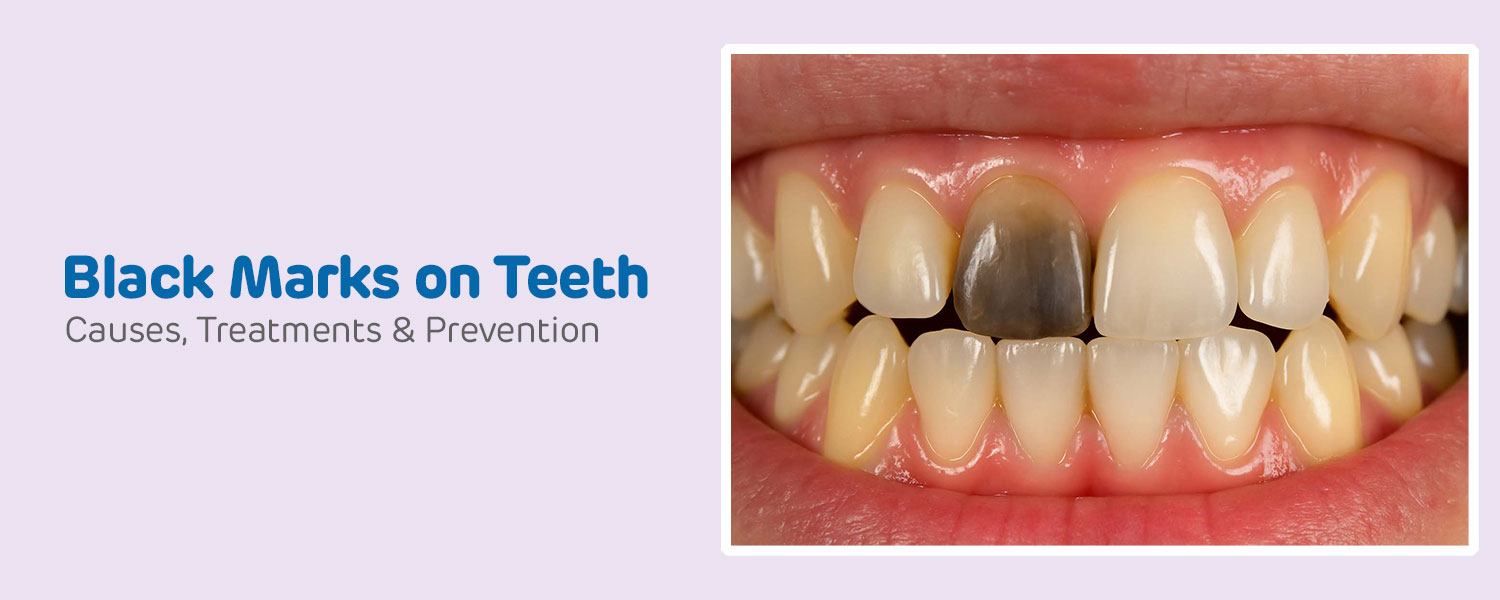

Noticed a dark spot or line on your tooth? You’re not alone. Black marks on teeth are a common concern, and they can range from harmless surface stains to early signs of decay. Knowing the cause early helps prevent bigger problems down the track. Your daily habits, oral hygiene, and overall dental health all play a part.
This article covers the main causes, types, treatment options, and ways to prevent black marks on teeth. If you’re concerned about changes in your smile, the team at Miranda Dental Centre offers professional assessments and personalised care.
What Are Black Marks on Teeth?
Black marks on teeth can appear as small spots, thin lines, or larger dark patches. They can affect how confident you feel about your smile and may point to underlying dental concerns worth investigating.
Surface vs Deep Stains
· Extrinsic stains sit on the outer enamel and are usually caused by food, drinks, or lifestyle habits — these are generally easier to treat.
· Intrinsic stains form deep inside the tooth, within the dentine layer, and are caused by past injuries, medications, or developmental issues. Because they’re inside the tooth structure, intrinsic stains need more specialised treatment.
Types of Black Marks on Teeth
-
Surface Stains
These are the most common black marks and affect only the outer enamel. They’re usually linked to consuming coffee, tea, red wine, or dark-coloured foods and drinks.
-
Tartar (Calculus) Build-Up
When plaque is not removed regularly, it hardens into tartar — also called calculus. Tartar often appears dark brown or black near the gumline and cannot be removed by brushing alone. It requires professional cleaning.
-
Tooth Decay (Cavities)
Early tooth decay can appear as dark spots on the tooth surface. Bacteria produce acids that erode the enamel, forming pits or holes. Left untreated, decay will progress deeper into the tooth and become harder to treat.
-
Black Line Stains
Some people develop thin dark lines along the gumline, even with good oral hygiene. These are caused by pigment-producing bacteria and are harmless, but can be stubborn to remove without professional help.
What Causes Black Marks on Teeth?
-
Foods and Drinks
Strongly pigmented foods and drinks are a leading cause of surface staining. Common culprits include coffee, tea, red wine, dark soft drinks, soy sauce, berries, and curries.
-
Poor Oral Hygiene
Infrequent brushing and flossing allows plaque to build up and harden into tartar. Tartar absorbs stains easily, leading to dark patches — especially along the gumline and between teeth.
-
Smoking and Tobacco Use
Nicotine and tar from tobacco products stain tooth enamel deeply and are very difficult to remove. Smoking also reduces blood flow to the gums, increasing the risk of gum disease.
-
Tooth Decay and Bacteria
Bacteria in the mouth feed on food particles and release acids that damage enamel. What starts as a small black spot can develop into a cavity if not treated promptly by a dentist.
-
Medications and Fluoride Exposure
Certain antibiotics, such as tetracycline taken during childhood, can cause internal tooth discolouration. Excess fluoride during tooth development may lead to fluorosis, which can appear as dark or mottled spots on the enamel.
-
Aging and Enamel Wear
Enamel naturally thins over time due to years of chewing and acid exposure. As it wears down, the darker dentine underneath becomes more visible, giving teeth a darker appearance.
Are Black Marks on Teeth Permanent?
It depends on the cause. Temporary surface stains can often be improved with professional cleaning or whitening. Permanent marks result from deeper damage — such as internal discolouration, structural changes, or advanced decay — and require dental treatment. The earlier a black mark is assessed, the more treatment options are available.
How Black Marks on Teeth Are Treated
-
Professional Scale and Clean
This is usually the first step. A dentist or hygienist removes built-up plaque and tartar from the teeth and gumline — things that brushing at home cannot address.
-
Teeth Whitening Treatments
For healthy teeth with surface staining, whitening can deliver great results. In-chair whitening uses a professional-strength gel for fast results in a single visit. Take-home kits use custom trays with whitening gel over a few weeks. Note that whitening does not work on tartar, decay, or intrinsic stains.
-
Fillings and Restorative Treatment
When decay is the cause, the damaged area must be removed and filled. Tooth-coloured composite resin fillings restore both the appearance and strength of the tooth while stopping decay from spreading.
-
Root Canal Therapy
If decay reaches the inner pulp of the tooth, root canal therapy may be needed. The infected pulp is removed, the tooth is cleaned and sealed, and the natural tooth is preserved.
-
Cosmetic Treatments
For stubborn or deep stains, cosmetic options such as dental veneers or bonding can transform the appearance of affected teeth. These treatments improve both colour and shape with long-lasting results.
Can You Remove Black Marks on Teeth at Home?
Mild surface stains may respond to regular brushing with fluoride toothpaste and over-the-counter whitening products. However, home treatments cannot remove hardened tartar or address tooth decay. Abrasive DIY methods can damage enamel and irritate the gums, making things worse. Always get a professional diagnosis before attempting to treat black marks at home.
How to Prevent Black Marks on Teeth
- Brush twice daily with fluoride toothpaste to strengthen enamel and reduce staining.
- Floss daily to remove plaque and food particles between teeth.
- Limit staining foods and drinks such as coffee, tea, and dark soft drinks.
- Rinse with water after consuming pigmented foods or drinks.
- Avoid smoking and tobacco products.
- Attend regular dental check-ups and professional cleans every six months.
How Black Marks Can Affect Your Oral Health
-
Increased Risk of Tooth Decay
Plaque and bacteria linked to black marks produce acids that erode enamel, increasing the risk of cavities that require treatment.
-
Gum Disease
Tartar build-up along the gumline attracts bacteria that inflame the gums. Without treatment, this can progress from early-stage gingivitis to periodontitis, which may lead to gum recession and tooth loss.
-
Aesthetic Concerns
Dark marks on teeth can make people feel self-conscious about their smile. Addressing them isn’t just about dental health — it’s about feeling confident in everyday life.
When Should You See a Dentist?
You should book a dental appointment if you notice black marks that don’t improve with regular brushing, tooth sensitivity, pain or aching, a spot that appears to be growing in size, or gums that are red, swollen, or bleeding.
If you notice persistent black marks or any changes in your teeth, booking a consultation at Miranda Dental Centre can help identify the cause and determine the most suitable treatment options for your needs.
Conclusion
Black marks on teeth can have many causes — from surface stains and tartar build-up to tooth decay and natural ageing. Some are straightforward to treat, while others need prompt professional attention. Either way, early diagnosis always leads to better outcomes.
With good daily habits, a healthy diet, and regular visits to the dentist, most black marks can be prevented or managed effectively. Miranda Dental Centre is here to provide professional diagnosis and personalised treatment to help you maintain a healthy, confident smile.
Frequently Asked Questions
Are black marks on teeth always cavities?
No. Black marks can be caused by surface staining, tartar build-up, or black line stains — not just cavities. A dentist can confirm the cause with a proper examination.
Can black tartar be removed at home?
No. Once plaque hardens into tartar, it must be removed by a dental professional. Attempting to scrape it at home risks damaging enamel and injuring the gums.
Do black stains on teeth go away with brushing?
Only very light surface stains may respond to brushing. Tartar, intrinsic stains, and decay-related marks require professional treatment and won’t go away on their own.
Is teeth whitening effective for black marks?
Whitening works well for surface stains but is not effective for marks caused by decay, tartar, or internal discolouration. A professional assessment will confirm which treatments are right for you.

About the Author
Dr. Abhay Kohli – Principal Dentist, Miranda Dental Centre
Dr. Abhay Kohli is an experienced and gentle dentist with a special interest in Implants, Orthodontics, and Sleep Dentistry. He holds advanced training in implantology, orthodontics, and TMJ care, and is a member of ADA, ICOI, and AADSM. He sees patients full-time, including weekends, at Miranda Dental Centre.
Disclaimer: This blog is for educational purposes only and does not replace professional dental or medical advice. Results vary for each patient. Please consult a qualified dental or healthcare professional before making decisions about your treatment. Don’t delay or ignore professional care based on this information.