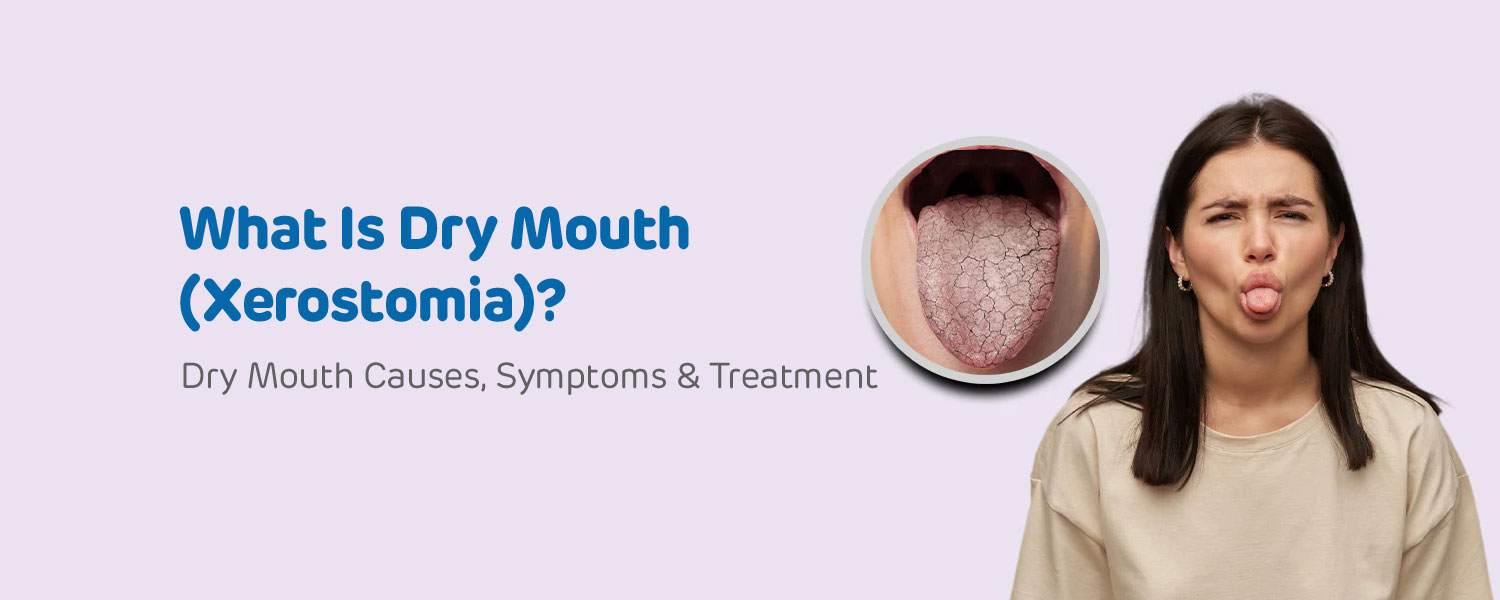

Dry mouth, also known as xerostomia, happens when your mouth does not produce enough saliva. Many people notice a constant dry, sticky, or uncomfortable feeling in their mouth, which can make everyday activities like eating, talking, or even smiling feel difficult.
Saliva might seem simple, but it plays a very important role in your oral health. It helps protect your teeth, supports digestion, and keeps your mouth feeling clean and comfortable. When saliva levels drop, your mouth becomes more vulnerable to problems like tooth decay, gum disease, and infections.
This blog article helps you understand the causes, symptoms, risks, and treatment options for dry mouth. If you are experiencing ongoing symptoms, the team at Miranda Dental Centre can provide professional advice and personalised care to help manage the condition effectively.
What Is Dry Mouth (Xerostomia)?
Dry mouth “Xerostomia” occurs when your salivary glands do not produce enough saliva to keep your mouth properly moist. This can happen occasionally or become a long-term issue depending on the cause.
-
Understanding the Role of Saliva
Saliva is essential for keeping your mouth healthy. It helps break down food during digestion, making it easier to chew and swallow. It also protects your teeth by washing away food particles and neutralising harmful acids produced by bacteria.
In addition, saliva keeps your mouth comfortable by preventing dryness and irritation. It also helps with speaking clearly and tasting food properly. Without enough saliva, your teeth and gums are more exposed to bacteria, which can increase the risk of dental problems.
-
Temporary vs Chronic Dry Mouth
Temporary dry mouth can happen to anyone. It may occur when you are dehydrated, feeling anxious, or breathing through your mouth while sleeping. In most cases, this type of dryness improves once the cause is resolved.
Chronic dry mouth, however, is when the problem continues for a long time. This may be linked to medications, health conditions, or damage to the salivary glands. Persistent dry mouth should always be checked by a dental or medical professional to prevent complications.
What Causes Dry Mouth All the Time?
-
Medications
One of the most common causes of dry mouth is medication. Many prescription and over-the-counter medicines can reduce saliva production. These include antidepressants, blood pressure medications, antihistamines, decongestants, and some pain medications. When taken regularly, these medicines can affect how your salivary glands work.
-
Ageing and Natural Body Changes
As people get older, their bodies naturally produce less saliva. The salivary glands may become less active over time, especially when combined with medication use or underlying health conditions. This is why dry mouth is more common in older adults.
-
Medical Conditions
Certain health conditions can affect saliva production. Diabetes, for example, can lead to dehydration and dry mouth. Sjögren’s syndrome is an autoimmune condition that directly attacks the salivary glands, causing severe dryness. Other conditions such as stroke or neurological disorders can interfere with nerve signals that control saliva production. Autoimmune diseases like rheumatoid arthritis or lupus may also contribute to long-term dry mouth.
-
Cancer Treatments
Cancer treatments can have a strong impact on saliva production. Chemotherapy may temporarily reduce saliva, while radiation therapy to the head or neck can damage the salivary glands more permanently. This can result in long-lasting dryness that requires ongoing care.
-
Lifestyle Factors
Daily habits can also play a role in causing dry mouth. Smoking or using tobacco products can reduce saliva flow and irritate the mouth. Alcohol consumption can lead to dehydration, making dryness worse. Breathing through your mouth, especially during sleep, can dry out your mouth overnight. Not drinking enough water throughout the day can also lead to dehydration, which directly reduces saliva production.
How Dry Mouth Affects Your Oral Health
-
Increased Tooth Decay
Saliva helps protect your teeth by washing away food and neutralising acids. Without enough saliva, harmful bacteria can build up, increasing the risk of cavities and enamel damage.
-
Gum Disease
A dry mouth creates the perfect environment for bacteria to grow. This can lead to gum inflammation, also known as gingivitis, and in more serious cases, periodontitis.
-
Oral Infections
Low saliva levels can also increase the risk of oral infections, such as oral thrush. This condition can cause white patches, discomfort, and irritation inside the mouth.
-
Eating and Digestive Issues
Dry mouth can make it difficult to chew and swallow food properly. This can affect digestion and make eating less enjoyable. Some people may avoid certain foods because of discomfort, which can impact their overall nutrition.
When Should You See a Dentist for Dry Mouth?
It is important to seek professional advice if your symptoms do not improve. If you have had a dry mouth for several weeks, it may be a sign of an underlying issue that needs attention.
You should also see a dentist if you experience difficulty eating or swallowing, frequent cavities, gum problems, or persistent bad breath. These symptoms can indicate that dry mouth is already affecting your oral health.
If symptoms continue, scheduling a dental consultation at Miranda Dental Centre can help identify the cause and determine the most suitable treatment options for your needs.
Treatment Options for Dry Mouth
-
Lifestyle Changes
Simple lifestyle changes can make a big difference in managing dry mouth. Drinking plenty of water throughout the day helps keep your mouth hydrated. Reducing caffeine and alcohol intake can also prevent further dryness.
Quitting smoking or tobacco use can improve saliva flow and overall oral health. Making these changes not only helps with dry mouth but also benefits your general health.
-
Saliva-Stimulating Products
There are products available that can help stimulate or replace saliva. Sugar-free chewing gum, especially those containing xylitol, can encourage saliva production.
Saliva substitutes, such as sprays or rinses, can provide temporary relief by keeping your mouth moist. Oral moisturising gels can also be used, particularly at night, to reduce dryness while you sleep.
-
Professional Dental Care
A dental examination is important to understand the cause of your dry mouth. Your dentist may recommend treatments such as fluoride applications to protect your teeth from decay.
They may also review your medications, check your saliva levels, and provide personalised advice based on your condition. Regular dental care helps prevent complications and keeps your mouth healthy.
Simple Tips to Prevent Dry Mouth
There are simple steps you can take every day to reduce the risk of dry mouth.
-
Stay hydrated throughout the day
Always stay hydrated all day! This helps your saliva flow properly and prevents dryness of your mouth.
-
Maintain good oral hygiene
Maintain your good oral care is important to prevent dry mouth.
-
Use alcohol-free mouthwash
Use a gentle, alcohol-free mouthwash helps lessen your dry out your mouth.
-
Avoid sugary snacks and drinks
Sugar feeds bacteria! Cutting down on sugary foods is a great way to prevent mouth dryness.
-
Use a humidifier at night
A humidifier adds moisture to the air especially night while you sleep. This helps keep your mouth moist and prevents dryness.
Conclusion
Dry mouth is a common condition, but it should not be ignored. Saliva plays an essential role in protecting your teeth, supporting digestion, and keeping your mouth comfortable. When saliva levels are low, your risk of dental problems increases.
Understanding the causes and symptoms of dry mouth can help you take the right steps to manage it early. Simple lifestyle changes, combined with professional care, can make a big difference in improving your oral health.
If your symptoms continue, it is important to seek professional advice. The team at Miranda Dental Centre can help identify the cause of your dry mouth and recommend safe and effective treatment options tailored to your needs.
Frequently Asked Questions
What is the main cause of constant dry mouth?
The most common causes are medications, medical conditions, and ageing. Lifestyle habits like smoking and dehydration can also contribute.
Can dry mouth damage my teeth?
Yes, dry mouth can increase the risk of tooth decay, gum disease, and infections because saliva is not there to protect your teeth.
How can I treat dry mouth at home?
You can drink more water, chew sugar-free gum, use alcohol-free mouthwash, and avoid caffeine or alcohol to help manage symptoms.
When should I see a dentist about dry mouth?
You should see a dentist if your symptoms last for several weeks, or if you experience difficulty eating, bad breath, or frequent dental problems.

About the Author
Dr. Abhay Kohli – Principal Dentist, Miranda Dental Centre
Dr. Abhay Kohli is an experienced and gentle dentist with a special interest in Implants, Orthodontics, and Sleep Dentistry. He holds advanced training in implantology, orthodontics, and TMJ care, and is a member of ADA, ICOI, and AADSM. He sees patients full-time, including weekends, at Miranda Dental Centre.
Disclaimer: This blog is for educational purposes only and does not replace professional dental or medical advice. Results vary for each patient. Please consult a qualified dental or healthcare professional before making decisions about your treatment. Don’t delay or ignore professional care based on this information.